

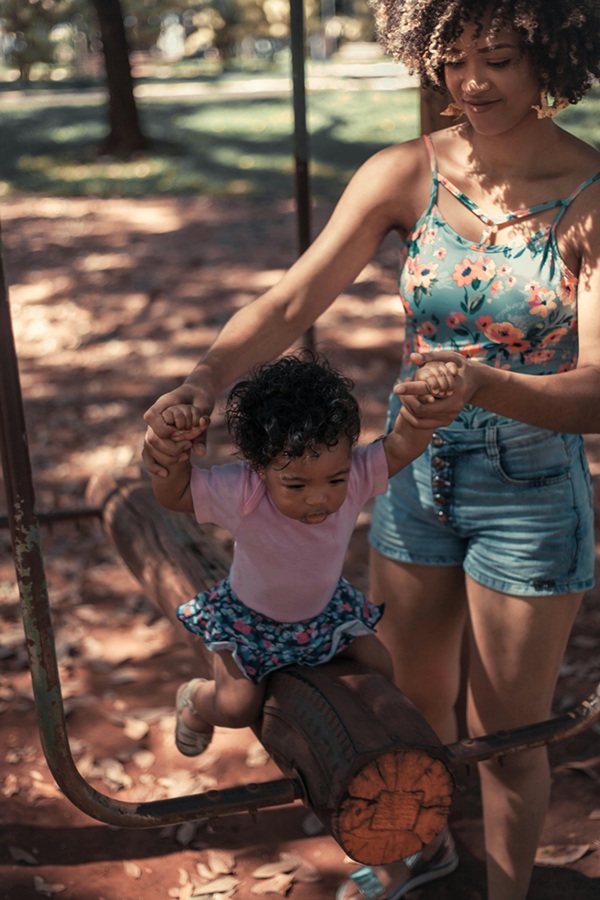
Confidence doesn’t always come naturally, especially for little ones who are still working out how the world works and where they fit into it; they might hesitate to try new things, shy away from speaking up, or get easily frustrated when something feels tricky. That’s actually all normal, but with the right kind of support, confidence can grow and become something they can use to their advantage in their whole lives. With that in mind, keep reading to find out more about what you can do to help.
Let Them Try First
One of the simplest ways to help a child become more confident is to give them time to try on their own before jumping in. That might mean letting them zip their coat, pour their cereal, or answer a question without prompting, and much more. And even if it’s a bit messy or takes longer, they learn that they’re capable, and that’s the feeling you want to build.
They don’t have to be perfect and get it right the first time, and they will make mistakes and make a mess too, but the more they’re allowed to try things out for themselves before you step in to help them, the more they’ll learn that that’s what they need to do to move forward.
Don’t Rush To Fix Everything
It’s tempting to step in quickly when a child is upset, struggling, or unsure, but sometimes, it helps more to pause and watch. Do they really need help? Or do they just need a bit of time to work things about for themselves?
The truth is that when you let them sit with a problem for a moment, they might surprise you by solving it themselves, and that moment of realising they did it is where confidence starts to grow.
Focus On Effort Rather Than The Outcome
It’s easy to say ‘good job’ when something turns out well, but the real progress often happens during the trying, not the finishing. So instead of praising a drawing because it looks nice, you could say, ‘You really took your time with this,’ or ‘I can see how carefully you used those colours,’ for example.
It’s actually that kind of feedback helps them link confidence to effort, not just results, which is much more helpful in the long run.
Give Them A Calm Space
Children need to feel safe to try, fail, and try again, and that’s why environments that encourage independence, kindness, and calm are often so good for confidence. Places like Montessori preschools tend to do this well because they’re designed to let children explore at their own pace, make decisions for themselves, and take pride in what they’re doing without pressure or comparison.
Be Their Rock
Confidence doesn’t mean a child never feels unsure, it just means they believe they’ll be okay anyway. So one of the best things you can do is be their steady base, meaning someone who’s there no matter what, cheering them on, and giving them time, space, and encouragement to grow into themselves.
The reality is that when a child knows they’re supported, it’s a lot easier for them to believe in themselves too.

Comments are closed.