

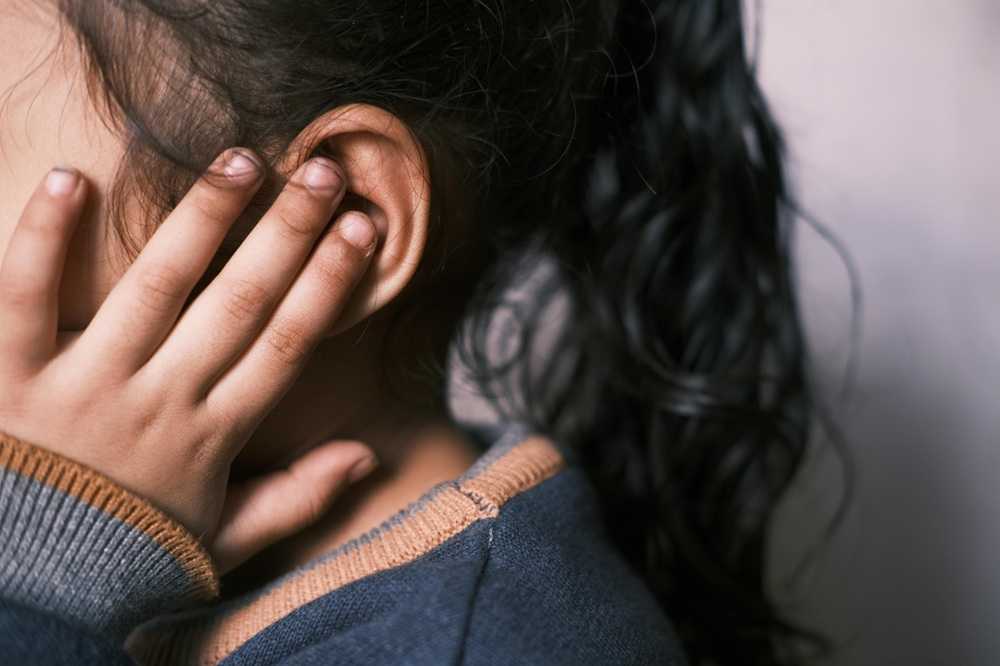
Hearing plays a central role in how children communicate, learn, and build relationships. Yet unlike a visible injury or sudden illness, mild hearing loss often goes undetected. Its signs can be quiet and gradual, only becoming obvious when a child shows delays in speech, struggles with reading, or begins to lose interest in classroom activities. Because hearing challenges can shift and fluctuate, many children experience setbacks long before anyone realizes what’s happening.
A major concern is that certain types of hearing issues appear inconsistently. Middle ear fluid, recurring infections, or temporary conductive problems may come and go, allowing a child to pass a routine screening even though their hearing is still compromised. In busy classrooms, even a small reduction in hearing can make speech harder to separate from background noise. Constantly straining to listen can lead to fatigue, reduced engagement, and declining academic confidence. Social withdrawals may follow, affecting language development and relationships with peers.
Accurate diagnosis paired with timely intervention is essential. Once a potential hearing issue is identified, next steps may include diagnostic audiometry, tympanometry, and acoustic reflex evaluations, supported by collaboration between audiologists, ENT providers, and speech-language pathologists. A comprehensive care plan often blends medical treatment with assistive technology and in-school accommodations that help the child stay connected to learning.
When amplification or assistance is recommended, options may include remote microphone technology, bone conduction devices, classroom sound field systems, or traditional hearing aids. The right choice depends on the child’s specific hearing patterns, their age, and the acoustic demands of their learning environment. Additional supports — such as improving classroom acoustics, training teachers, or adjusting seating — can maximize the benefit of these devices and help the child stay actively involved.
Because hearing changes as children grow, continual monitoring is vital. What starts as a temporary condition can develop into a more complex hearing loss. Regular follow-up visits ensure that any intervention stays aligned with the child’s current needs and academic expectations. These check-ins also make room for evaluating device performance, adjusting settings, and refining strategies to maintain steady progress.
Strong communication between caregivers, educators, healthcare providers, and therapists is key to long-term success. When everyone works together, children receive consistent support across home, school, and clinical settings. Hearing ability and learning are deeply interconnected, and improvements in one area help drive progress in the other. Ultimately, children thrive when they feel supported, understood, and empowered to participate fully — in the classroom, with friends, and in all areas of daily life. Early, coordinated care lays the groundwork for strong communication skills, academic growth, and confidence that lasts well into the future.
For more on this, check out the graphic below from audiology equipment suppliers, e3 Diagnostics.


Comments are closed.