

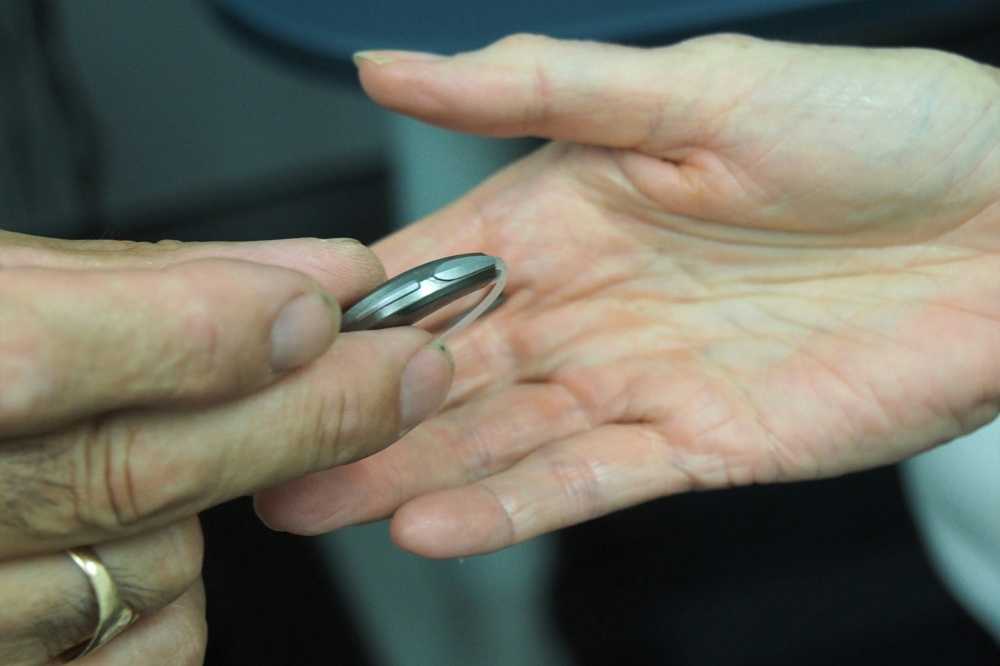
Source: Unsplash (CC0)
Hearing loss might seem like a physical issue on its own, but it goes much deeper than many people realise. When you can’t hear as clearly as you used to, your brain and emotions start doing extra work to fill in the gaps. Over time, this can create worry, tension and a feeling that you’re losing control in situations that once felt easy. It’s a lot for anyone to handle, especially when the change happens slowly.
What many people don’t know is that anxiety and hearing loss often influence each other. One can make the other feel worse, creating a loop that’s hard to break without the right support. Understanding that connection is a big first step toward feeling more confident and calmer in your daily life.
Why hearing loss can trigger anxiety
Hearing loss doesn’t only change how well you catch a sound. It affects your ability to join conversations, follow quick exchanges and pick up cues that help you stay socially connected. Missing parts of conversations or accidentally interrupting someone can leave you feeling unsure or embarrassed, which naturally makes social situations more stressful. That stress can build quietly until you start avoiding certain places or stepping back from activities you once enjoyed.
There’s also the emotional weight that comes with worrying about what happens next. You may wonder if your hearing will get worse, how it might affect your work or what it means for your independence. And for many, that anxiety comes from symptoms linked to hearing loss, like tinnitus or dizziness. These sensations can feel unsettling and unpredictable, making you feel even more on edge. It’s easy to see how anxiety fits into the picture when hearing starts to change.
How technology can help break the cycle
Hearing support can make a bigger difference to anxiety than many people expect. When you hear more clearly, it removes the guesswork and lets social situations feel lighter again. Devices like Phonak hearing aids are designed to make speech sharper, reduce background noise and help you follow conversations without the constant strain. When communication feels easier, anxiety naturally begins to settle.
Modern hearing aid features also help in ways that go beyond volume. Some can connect to your phone for direct streaming, reduce sudden loud sounds or adjust automatically to different environments. These small bits of support make your day quieter, clearer and far less stressful. Research has repeatedly shown that people who use hearing aids often experience less anxiety and better emotional wellbeing than those who leave hearing loss untreated.
When to reach out for help
If hearing loss or anxiety has started affecting your comfort, your sleep or the way you move through your day, it’s completely okay to ask for help. Many people hesitate because of stigma or fear, but these conditions are common, and you’re far from alone. A mix of hearing care and mental health support can make daily life feel lighter and more manageable.
Therapy, lifestyle changes and hearing support all work together to improve how you feel. You don’t have to choose one or the other. What matters most is recognising when something doesn’t feel right and giving yourself permission to take the next step.

Comments are closed.