Source: Unsplash (CC0)
Hearing changes can happen for many different reasons, and two of the most common are noise-induced hearing loss and age-related hearing issues. While they can feel similar at first, they develop in different ways, show different patterns and may need different approaches to care.
Understanding which one you might be dealing with helps you take the right steps toward clearer, more comfortable hearing. So in this post, we’ll discuss both types of hearing loss so you can get a better understanding of the condition.
Noise-induced hearing loss
Noise-induced hearing loss usually comes from long-term exposure to loud environments or sudden bursts of high-intensity sound. This can happen from concerts, power tools, headphones set too loud, shooting sports or noisy workplaces. Over time, these loud sounds damage the tiny hair cells in the inner ear, and once they’re harmed, they can’t repair themselves. Many people with noise-related loss notice that high-pitched sounds seem muted or distorted first, or they struggle to hear speech clearly in busy places.
A common sign of noise-induced loss is a temporary muffled feeling after loud events, which may improve at first but can gradually become more persistent. Ringing or buzzing in the ears is also common, and if it becomes bothersome or constant, some form of tinnitus treatment may help reduce discomfort and support your overall hearing wellbeing. Protecting your ears from further exposure is the most important step, and this includes lowering music volume, using earplugs in loud spaces and giving your ears time to recover after noisy activities.
If detected early, there are many ways to manage noise-induced hearing loss, including hearing support, lifestyle adjustments and routine checks to track any changes. Taking action sooner can help prevent the condition from progressing and make daily listening far easier.
Age-related hearing issues
Age-related hearing changes, sometimes called presbycusis, develop gradually as the ear structures naturally weaken over time. This type of hearing loss usually affects both ears equally and tends to progress steadily rather than suddenly. Many people first notice difficulty hearing soft voices, following conversations in groups or distinguishing speech from background noise. You might also find yourself turning the TV volume up more often or feeling fatigued after long conversations because your brain is working harder to make sense of sound.
Age-related hearing loss can also appear alongside balance changes or cognitive strain, since listening becomes more mentally demanding. This is why it’s so important to protect your hearing as you get older, even if the changes don’t seem like a big deal at first. Regular hearing checks, healthier listening habits and early support play a big role in keeping you comfortable and confident in your daily life.
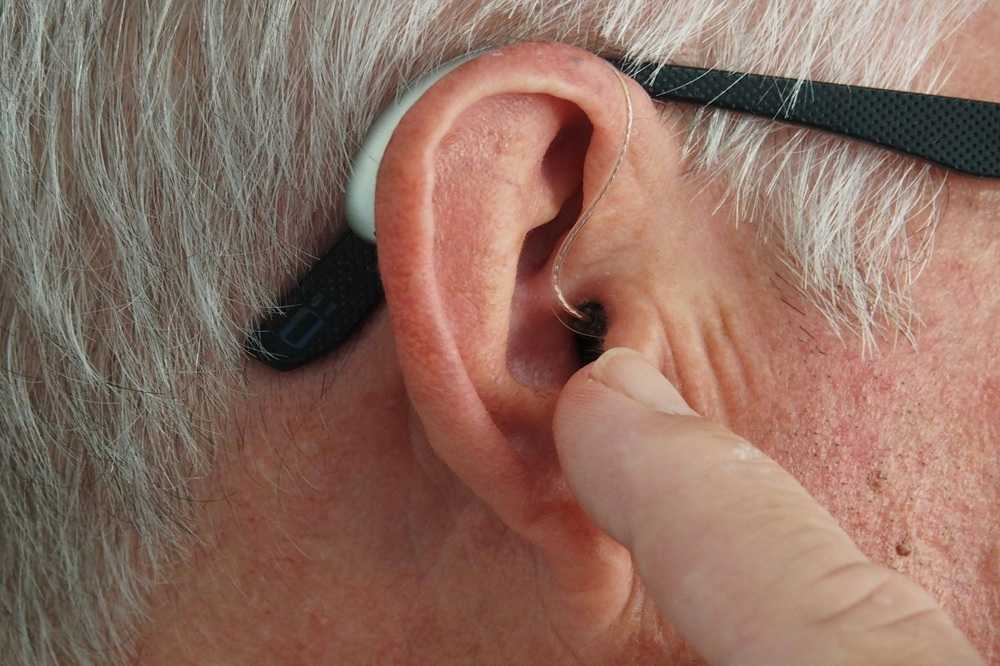
Treatment for age-related hearing issues often includes hearing aids, communication strategies and lifestyle adjustments that make listening easier. Many modern devices improve clarity, reduce background noise and help you stay connected to conversations without feeling overwhelmed. The sooner you recognise the signs, the more control you’ll have over managing the changes and staying engaged socially and emotionally.
Noise-induced and age-related hearing loss can feel similar, but understanding the differences helps you choose the right support. Early awareness, healthier listening habits and regular checks make a meaningful difference in how clearly and comfortably you hear.

Comments are closed.