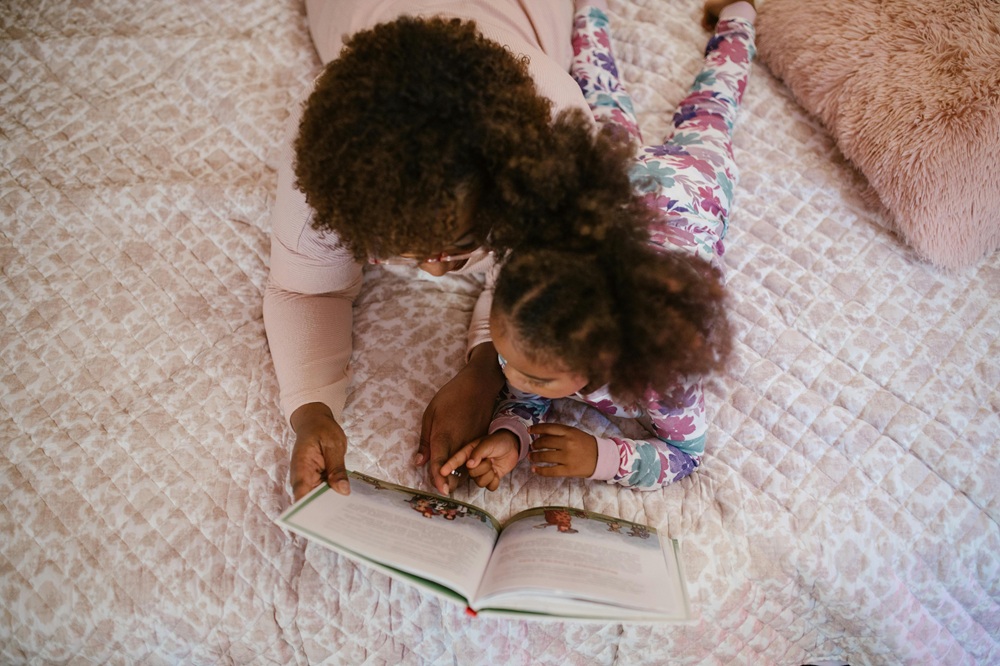
Photo by RDNE Stock project: https://www.pexels.com/photo/mother-and-daughter-reading-book-together-10566125/
It’s not easy to help your child through their learning requirements. That’s because while you’re likely above the first few years of education they’re currently in, you may not be familiar with the structure such courses are delivered in. While you can no doubt mostly figure it out, sometimes the answers are so obvious to you, and the homework experience can be so difficult to bring your child to, that you may inadvertently begin answering questions for them. This, of course, is a bad habit and will only prevent them from learning.
Moreover, sometimes if you’re not deft and subtle in how you help your child with teaching, you might do a great job only to realize you did most of the mental work, and your child was wise enough to egg you on and save some labor. Well, at least you know your child is cunning, and that’s a form of intelligence. Perhaps the most useful one.
Either way, homework sessions shouldn’t be your duty, despite your best intentions. So let’s discuss how to help your little one in their former years get into good habits, without doing it for them:
Open Questions To Help Them Think
Don’t talk through the answer, but ask questions that help them figure it out themselves, despite the tendency to begin jumping in with the solution. Some examples of open questions are “What do you think this word might mean?” or “What happens when you sound out each letter?”
This approach does take a little longer than just telling them the answer, but it teaches them how to think through problems on their own. For example, kindergarten reading worksheets work best when kids struggle through sounding out words themselves, because that’s how they build the mental muscles they need for harder books later.
Set Up a Good Learning Space
No matter what, you need a spot where your child can focus on their work with good lighting and all their supplies within reach. Keep distractions like toys or screens in another room so they learn to associate this space with concentrating and getting things done. You can sit nearby while they work so you can answer questions when they’re truly stuck, but let them do the actual writing and thinking
Your presence shows you care about their education, but staying back lets them own their learning process. Also practice your own discipline – if you’re sitting by them and helping them, try and keep your phone out of it.
Praise the Process Over Results
Your child doesn’t need to be perfect, but if they make a genuine effort, that’s to be commended. So notice when your kid tries hard or uses a strategy you taught them, not solely when they get the right answer. To use recommendations, you may say “I saw you sounding out that word carefully” or “You kept trying even when it was tricky.”
It helps them understand that effort and persistence matter more than being naturally academically gifted or getting everything perfect on the first try. Kids who learn to value their hard work become better students because they don’t give up when subjects get challenging, nor will they think they can’t do something before they give it a good go. That’s probably the healthiest thing you could teach them no matter their grades.
With this advice, we hope you can support your child in their learning, without doing it for them.

Comments are closed.